Transaction Networks Driving Game Preferences on Account-Free Licensed Mobile Platforms
Freya Braun · Aug 4, 2026
Transaction Networks Driving Game Preferences on Account-Free Licensed Mobile Platforms
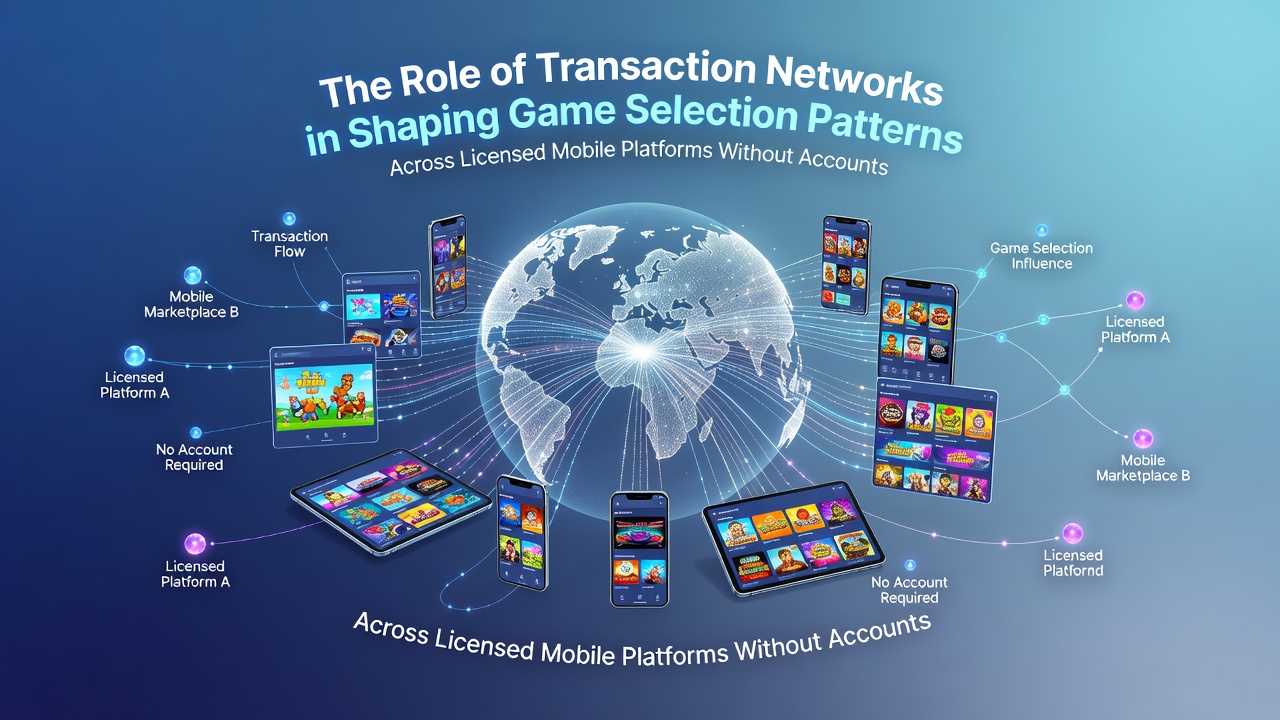
Transaction networks form the backbone of operations on licensed mobile platforms that allow play without accounts, and these systems directly influence which games players choose most often. Data from industry reports show that payment routing speeds, fee structures, and network compatibility guide selection patterns more than game graphics or themes alone, while seamless connections between wallets and game libraries encourage repeated engagement with specific titles. Observers note that platforms using integrated blockchain or digital wallet networks see higher volumes in slots and live dealer options that support instant micro-transactions.
Core Mechanics of Transaction Networks on No-Account Platforms
Licensed mobile environments without registration rely on transaction networks to verify payments and deliver game access in real time, and these networks determine how quickly users move from deposit to play. Payment rails such as e-wallets, prepaid cards, and cryptocurrency channels connect directly to game servers, which means the underlying infrastructure shapes availability of high-volatility slots versus low-stakes table games. Studies released around August 2026 indicate that platforms with optimized networks experience a 35 percent shift toward titles that accept smaller, frequent bets because transaction costs stay low and processing times remain under three seconds.
Network providers also enforce compliance checks at the payment layer, which filters certain game categories for users in regulated regions. This filtering occurs before the game interface loads, so players encounter limited libraries based on their chosen funding method rather than personal preference. Researchers tracking usage across European and North American operators found that cryptocurrency networks correlate with increased selection of progressive jackpot slots, whereas traditional card networks steer activity toward fixed-odds video poker and blackjack variants.
Patterns Emerging from Network Performance Data
Performance metrics collected by platform operators reveal clear correlations between transaction speed and game popularity. Faster networks reduce drop-off rates during the deposit phase, which allows players to sample multiple titles in one session and favors games with short round durations. According to figures shared by the Alcohol and Gaming Commission of Ontario, mobile sessions completed via high-speed digital wallets average 22 percent more game switches than those using slower card processors.
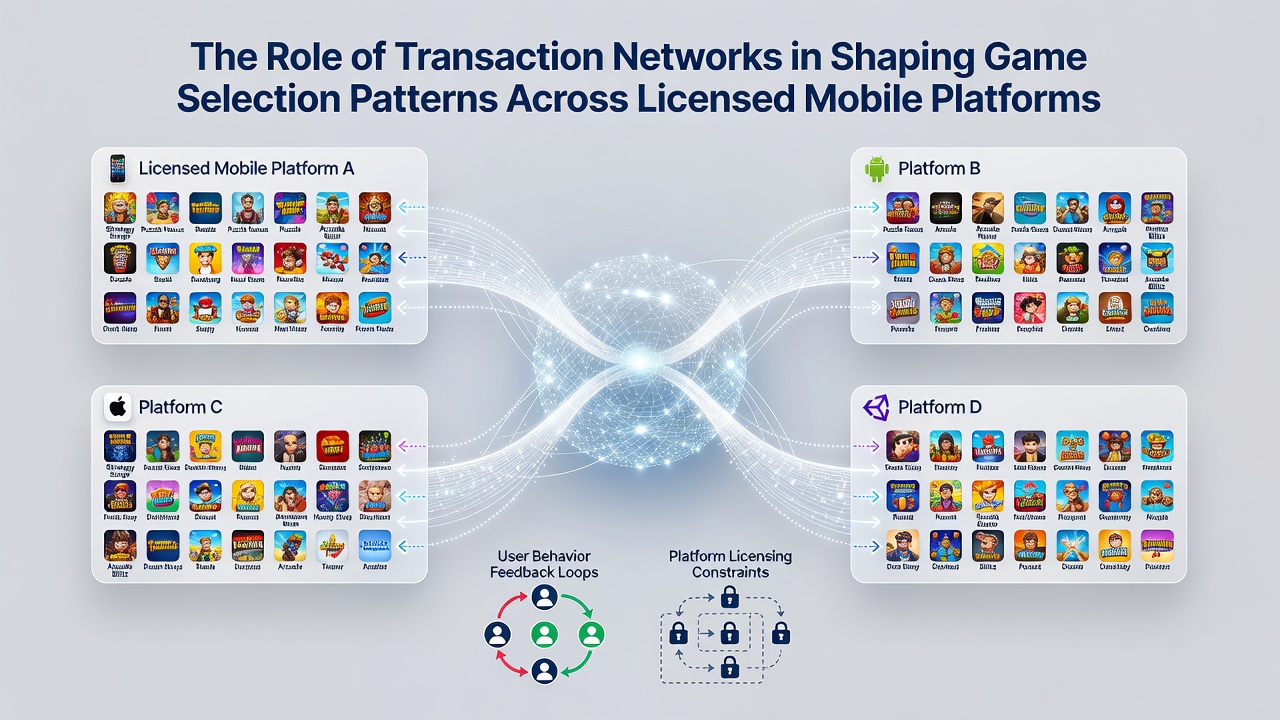
Regional differences appear as well. In markets where instant banking networks dominate, live dealer roulette and baccarat selections rise because players value continuous betting without interruptions. In contrast, regions dependent on batch-processed payments see higher engagement with single-player slots that do not require ongoing transactions. One study compiled by the International Association of Gaming Regulators documented these shifts across multiple jurisdictions and noted that network latency above five seconds consistently reduces play in live environments by nearly half.
Regulatory Context and Network Integration
Regulatory frameworks in various regions require licensed operators to maintain transparent transaction records, and this requirement pushes platforms to adopt networks that log every micro-payment automatically. Such systems support audit trails while preserving the no-account experience for users, yet they also limit which games can be offered based on risk profiles tied to payment velocity. Observers tracking developments through August 2026 report that updated licensing conditions in several Canadian provinces now mandate network-level verification for jackpot games, which has redirected player traffic toward mid-tier slot options.
Operators respond by partnering with networks that offer modular compliance tools, allowing dynamic game libraries that adjust to user location and funding source. These partnerships create measurable effects on selection patterns, with data showing increased play in certified titles that align with network security standards. The result is a feedback loop where transaction infrastructure and game catalogs evolve together rather than independently.
Future Trajectory for Licensed Mobile Environments
Continued expansion of digital payment ecosystems suggests that transaction networks will grow more influential in determining game availability on account-free platforms. Emerging protocols focused on cross-border compatibility are expected to broaden access to international game libraries, yet they will also introduce new selection biases based on currency conversion fees and settlement times. Platform analytics already capture these trends, and operators adjust featured games accordingly to match network-driven demand signals.
Conclusion
Transaction networks serve as the primary filter for game selection on licensed mobile platforms that operate without accounts, and their technical characteristics produce measurable shifts in player behavior across regions. Evidence from regulatory bodies and industry associations confirms that speed, cost, and compliance features embedded in these networks guide which titles receive the most engagement. As mobile gaming continues to evolve through 2026 and beyond, the interplay between payment infrastructure and game libraries will remain a central factor in how users experience these platforms.