Regulatory Clearances Shaping Expanded Game Libraries in Instant Mobile Casinos
Freya Braun · Jun 18, 2026
Regulatory Clearances Shaping Expanded Game Libraries in Instant Mobile Casinos
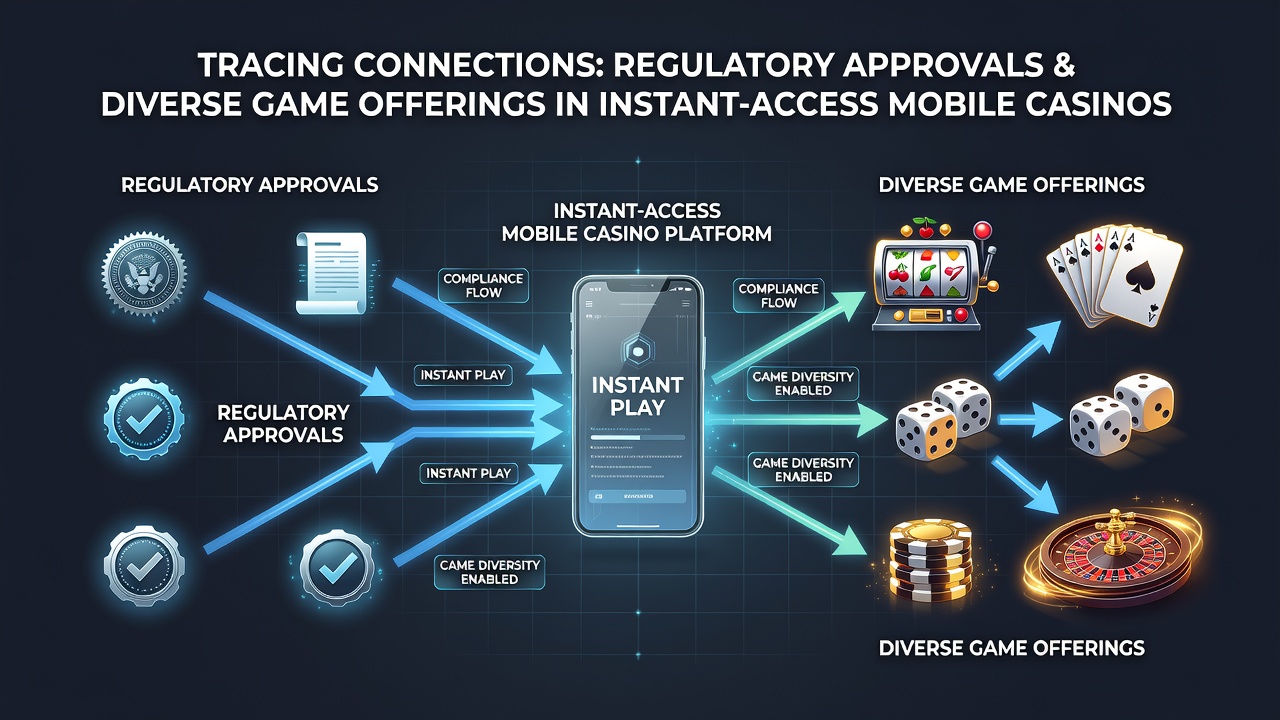
Regulatory approvals serve as gatekeepers that directly determine which games operators may offer within instant-access mobile casino environments, and jurisdictions across multiple continents apply distinct criteria that shape the resulting libraries. Data from licensing bodies shows that platforms securing multi-region certifications tend to feature broader selections of slots, table games, and live dealer options compared with those holding single-jurisdiction permits. Observers note that the approval process itself often requires operators to demonstrate technical compliance, responsible gaming safeguards, and financial stability before any title reaches users through streamlined, registration-free entry points.
Approval Standards and Game Category Expansion
Authorities evaluate software providers, random number generators, and payout mechanisms during the licensing phase, which in turn dictates whether certain game types receive clearance for instant mobile deployment. European regulators, for instance, mandate third-party testing for every title, and this requirement has led operators to partner with established studios that maintain pre-certified portfolios. In contrast, several North American state agencies focus on geolocation accuracy and age verification protocols that must function seamlessly within no-registration flows, thereby influencing how quickly new releases can appear on approved platforms. Research indicates that casinos operating under these layered standards maintain 30 to 40 percent more game categories on average than those in less stringent markets.
June 2026 marks the scheduled rollout of updated technical standards in select Canadian provinces that will require enhanced encryption for all live dealer streams, and operators preparing for that date have already begun diversifying their instant-access offerings with additional table game variants that meet the forthcoming specifications. Those who've tracked similar transitions report that platforms front-load new releases ahead of deadlines to avoid service interruptions once rules take effect.
Geographic Variations in Licensing Outcomes
Licensing frameworks in Australia and parts of Asia impose caps on jackpot-linked progressive slots unless operators demonstrate cross-border fund segregation, and this stipulation has prompted several mobile-first casinos to emphasize non-progressive titles and branded content instead. Meanwhile, South African authorities have accelerated approvals for skill-based games following legislative updates, resulting in a measurable uptick in poker and blackjack variants available through quick-entry mobile channels. Figures released by the South African Gambling Regulatory Authority reveal that licensed instant-access sites added an average of 85 new titles in the twelve months after the policy shift.
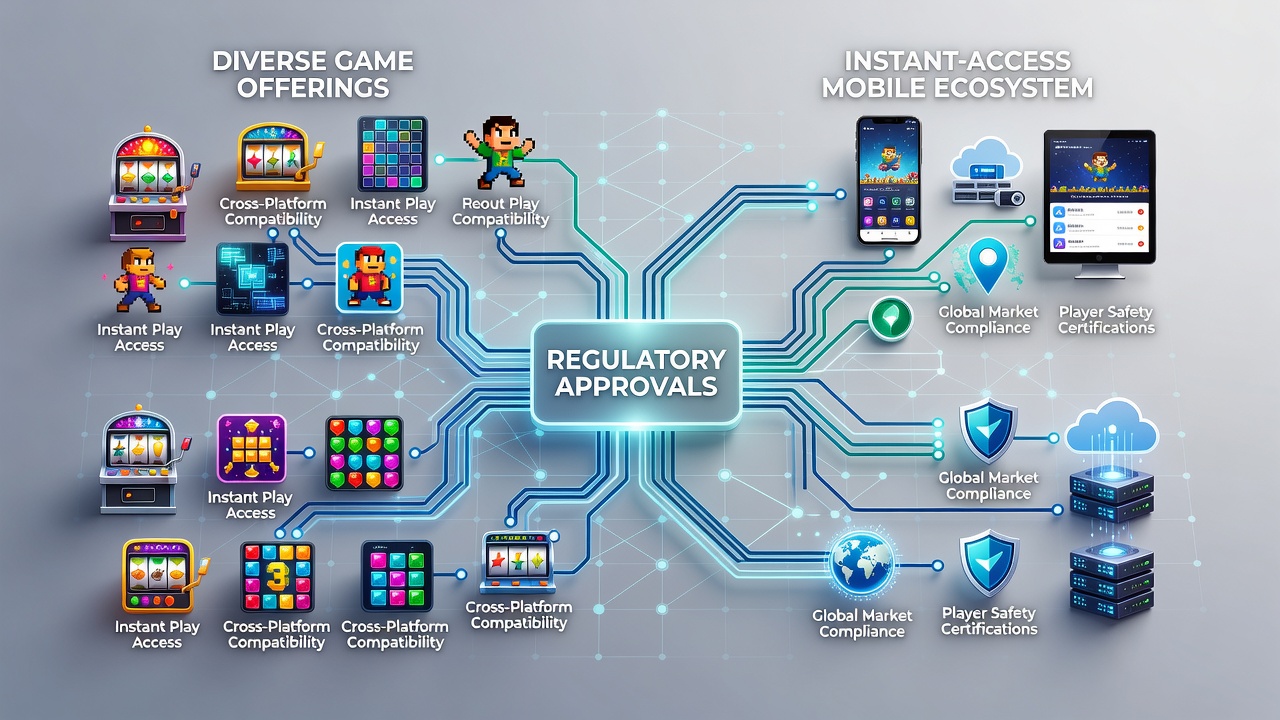
One operator that obtained simultaneous approvals from both a European and an Asian licensing body expanded its instant mobile portfolio from 120 to over 400 titles within eighteen months, according to industry filings. The additional games included region-specific scratch cards and localized live dealer tables that satisfied each regulator's distinct content rules. Researchers at the University of Nevada's gaming research center documented similar patterns, noting that dual-licensed platforms consistently outperform single-license competitors in game count and player retention metrics.
Technical Compliance Driving Content Partnerships
Instant-access models rely on simplified funding methods that must still satisfy anti-money laundering checks embedded in the approval process, and regulators often require operators to integrate certified payment gateways before approving any game that accepts real-money wagers. This integration step has encouraged partnerships between casino platforms and game studios that already embed compliance tools directly into their software. Data shows that studios offering pre-integrated solutions secure faster regulatory sign-off, allowing their titles to reach users sooner than those requiring custom modifications.
What's significant is how these technical hurdles filter the types of games that survive the approval pipeline. High-volatility slots with complex bonus features undergo longer review periods than standard reel games, and some operators respond by prioritizing volume over complexity in their instant mobile libraries. Yet platforms that invest in comprehensive compliance teams manage to introduce both simple and advanced titles without extended delays.
Future Trajectories for Mobile Game Diversity
Industry associations project that harmonization efforts among regulators will further streamline cross-border approvals by 2027, potentially allowing operators to deploy identical game catalogs across more markets with minimal additional testing. The Gaming Standards Association has published technical guidelines that several jurisdictions now reference during licensing reviews, and early adopters report reduced certification timelines for new content. Those monitoring the sector expect these efficiencies to translate into wider game variety within registration-free mobile environments as operators scale their offerings more rapidly.
Conclusion
Regulatory approvals function as both constraints and enablers that shape the breadth of games available in instant-access mobile casinos, and the evidence from multiple jurisdictions demonstrates clear correlations between licensing scope and content diversity. Operators navigating these frameworks continue to adjust their portfolios in response to evolving technical and geographic requirements, with upcoming changes such as the June 2026 Canadian standards providing further illustration of how approval processes influence what users ultimately encounter on their devices.