Mapping Bonus Allocations to Emerging Wallet Tools Across Unverified Mobile Reel Platforms
Freya Braun · Jun 23, 2026

Mapping Bonus Allocations to Emerging Wallet Tools Across Unverified Mobile Reel Platforms
Observers note that bonus allocation patterns continue to shift as new wallet technologies integrate with mobile reel applications operating outside standard verification frameworks, and data from industry reports shows these changes affect how rewards reach users across various platforms.
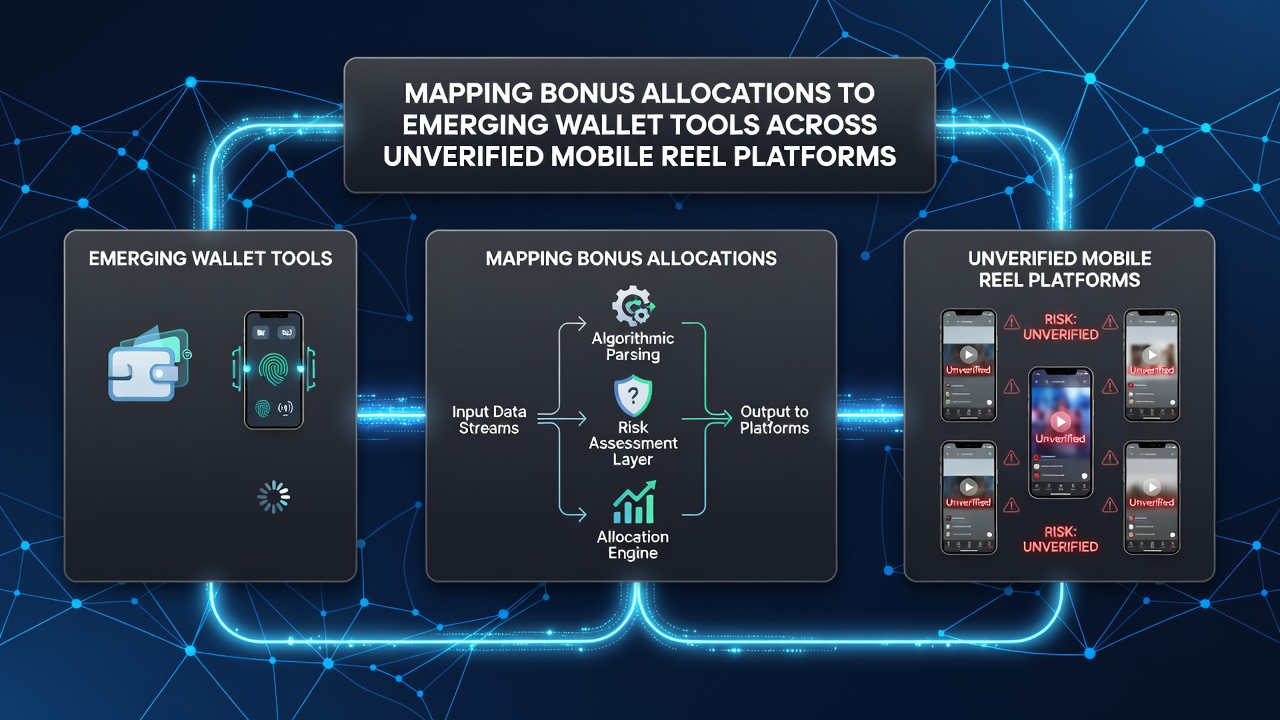
Researchers tracking these developments point to tools such as non-custodial digital wallets and cross-chain bridges that handle instant transfers without requiring traditional account checks, while studies indicate these methods allow operators to distribute promotional credits directly into user-controlled addresses rather than centralized ledgers.
Current Technology Integrations
Analysts at academic institutions have documented several wallet solutions gaining traction in these spaces, including those built on layer-two scaling networks that reduce transaction costs for small bonus amounts, and findings reveal many unverified reel platforms now embed these tools at the point of reward claim to minimize delays between game outcomes and fund availability.
One study from a European research center highlighted how multi-signature wallet setups enable shared control over bonus pools, which in turn lets platforms allocate tiered rewards based on player activity metrics pulled directly from on-chain data, whereas earlier systems relied on off-platform databases prone to reconciliation errors.
Patterns in Bonus Distribution
Figures from regulatory filings in select jurisdictions show that bonus values tied to emerging wallets often range from micro-stakes to larger match offers, and these allocations frequently follow automated rules coded into smart contracts that release portions only after specific reel spin thresholds are met. Platforms using such contracts report fewer manual interventions, yet observers note that unverified environments still face challenges when wallet keys are lost or when chain congestion spikes during peak activity periods.
What's interesting is how certain wallet providers now offer built-in analytics dashboards that map bonus inflows against reel session data, giving operators clearer views of redemption rates without exposing full user identities, while data indicates this approach helps maintain compliance signals even when platforms sit outside formal licensing tracks.
Additional integrations involve hardware-linked wallets that support biometric approvals for bonus claims on mobile devices, and evidence suggests these reduce friction in environments where users rotate between multiple unverified reel applications throughout a single session.
Regional Developments and June 2026 Context
Updates from North American gaming research groups indicate that some unverified mobile reel operators have begun testing wallet-to-wallet bonus handoffs timed around major sporting events, and similar patterns appear in Asian markets where local digital payment rails intersect with global blockchain networks. In June 2026 several technology conferences are scheduled to review these mapping techniques, with participants expected to examine case studies from platforms that transitioned entire bonus structures to decentralized identifiers.
According to reports compiled by the Canadian Centre for Gaming Research, transaction volumes involving emerging wallets on mobile reel sites grew steadily through early 2026, particularly for bonuses linked to progressive reel features, whereas traditional voucher systems saw relative declines in the same datasets.
Challenges and Technical Considerations
Those who've examined these systems note that compatibility between different wallet standards remains uneven, which can lead to partial bonus redemptions when users switch devices mid-session, yet developers continue releasing updates that standardize communication protocols across major mobile operating systems. Security benchmarks shared by industry associations emphasize the need for regular audits of the mapping logic that connects reel outcomes to wallet entries, since errors in these scripts can result in over- or under-allocation of rewards.
But here's the thing: even in unverified settings, many operators now publish public ledgers of bonus distributions that anyone can query, allowing independent verification of allocation fairness without revealing personal details, and this transparency trend aligns with broader movements toward on-chain accountability across the sector.
Conclusion
Evidence continues to accumulate around how emerging wallet tools reshape bonus allocation mechanics on unverified mobile reel platforms, with ongoing research expected to clarify long-term effects on both operators and users as adoption widens. Reports from sources such as the National Council on Problem Gambling and academic papers hosted by the University of Technology Sydney provide additional context for tracking these shifts across regions.