Licensing Factors That Shape Live Dealer Availability Across Instant Mobile Casino Options
Jordan Roth · Jul 9, 2026
Licensing Factors That Shape Live Dealer Availability Across Instant Mobile Casino Options
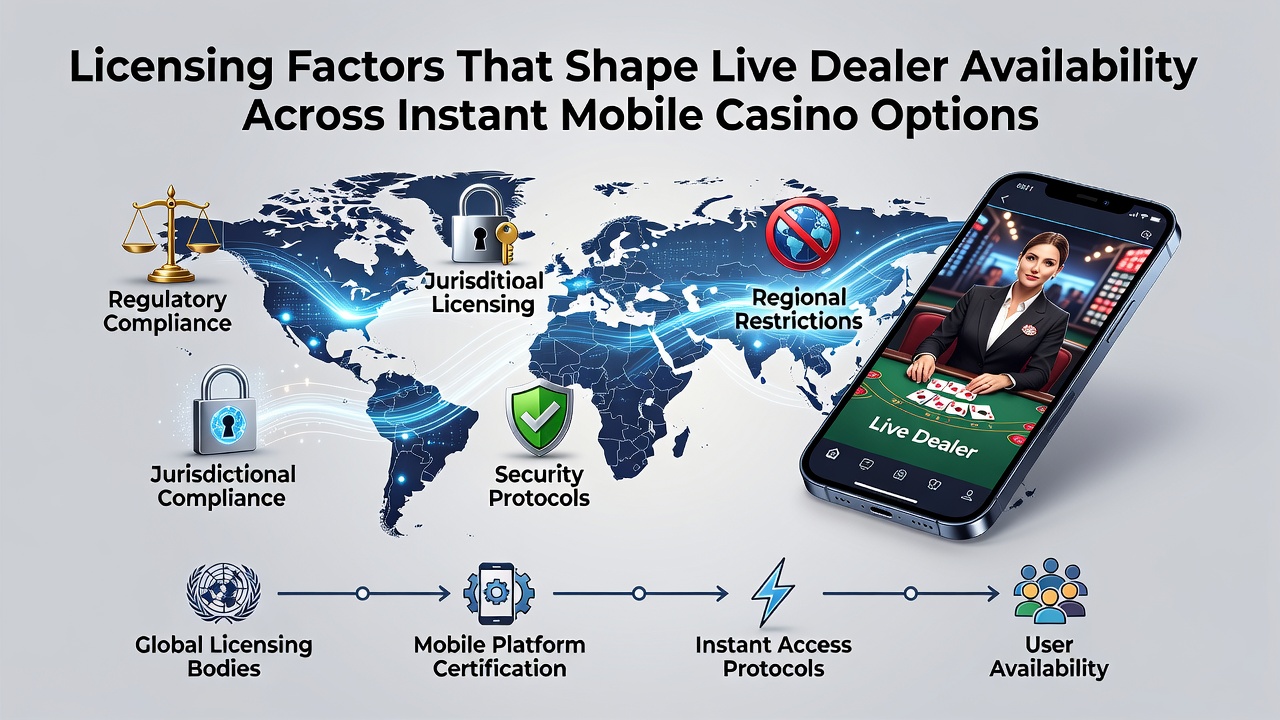
Observers note that licensing frameworks from multiple jurisdictions directly control which live dealer games appear on instant mobile casino platforms, since operators must secure approvals before offering real-time streamed tables to users who expect immediate access without registration steps. Data from industry reports shows that these approvals hinge on compliance with technical standards for video streams, player verification protocols, and game fairness testing, which vary by region and create distinct availability patterns across mobile applications. Regulatory bodies in different territories establish baseline requirements that operators must meet before live dealer content reaches mobile users, and those standards often include server location rules plus ongoing audits that affect how quickly platforms can expand their offerings. According to information from the New Jersey Division of Gaming Enforcement, operators licensed in that state must maintain separate infrastructure for mobile live streams, a condition that limits cross-border availability when platforms target instant-play audiences.Jurisdictional Variations in Approval Processes
European authorities apply licensing criteria that emphasize consumer protection measures such as session time limits and spending caps, while North American regulators focus more on financial reporting and anti-money laundering controls that influence which live dealer variants become accessible on mobile devices. These differences mean that an operator holding a license from one region may face delays when attempting to add live blackjack or roulette tables to instant mobile platforms serving users in another area.
Canadian provincial regulators, including those in Ontario, require explicit approval for each live dealer provider before integration into mobile casino environments, and this step-by-step process shapes the speed at which new tables appear for users seeking registration-free entry. Research from gaming associations indicates that platforms operating under multiple licenses often segment their live dealer libraries by user location to remain compliant with each jurisdiction's rules.
Technical and Operational Standards
Licensing conditions frequently mandate specific encryption levels for live video feeds along with real-time monitoring systems that detect irregularities during dealer sessions, requirements that raise setup costs and extend timelines for mobile platform launches. Those who've examined operator filings note that instant-play casinos must demonstrate mobile compatibility during licensing reviews, including tests for low-latency streaming on various devices.
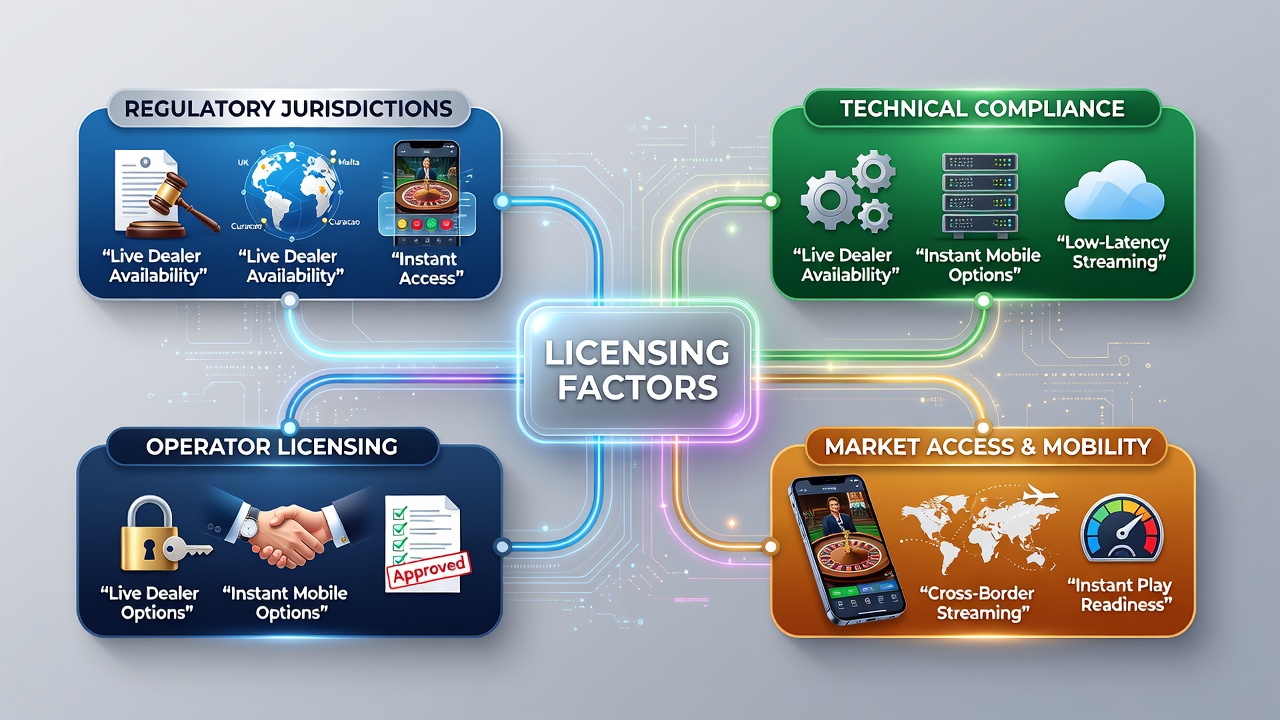
Standards set by the Malta Gaming Authority further require operators to maintain backup data centers within approved territories, a rule that affects how live dealer availability scales across instant mobile options during peak usage periods. Figures from recent compliance reports reveal that platforms meeting these technical benchmarks gain faster approval for additional game types, whereas those with incomplete documentation encounter extended review cycles.
Impact on Instant Mobile Casino Ecosystems
Instant mobile casinos that prioritize no-registration access often select licensing jurisdictions with streamlined renewal processes, since frequent audits can interrupt live dealer streams if operators fail to submit updated compliance data on schedule. Evidence from trade group analyses shows that jurisdictions offering multi-year license terms tend to host more diverse live dealer selections on mobile platforms compared with regions requiring annual renewals.
Operators planning expansions around July 2026 have begun aligning their licensing portfolios with emerging mobile streaming guidelines, which include provisions for augmented reality dealer interfaces in some territories. This timing aligns with scheduled reviews by several gaming commissions that could expand approved game libraries for compliant platforms.
Provider Partnerships and License Dependencies
Live dealer providers themselves hold specialized licenses that operators must reference when adding tables to instant mobile casinos, creating layered approval structures where both parties' credentials undergo scrutiny. Data indicates that partnerships with providers licensed in multiple regions accelerate rollout of games like live baccarat across mobile applications, whereas single-jurisdiction providers limit geographic reach.
Those monitoring industry filings observe that license transfers during corporate acquisitions can temporarily restrict live dealer availability while regulators reassess compliance under new ownership, a process that affects users expecting uninterrupted access on their devices.
Conclusion
Licensing factors continue to define the boundaries of live dealer availability in instant mobile casino environments through overlapping regulatory demands, technical mandates, and jurisdictional differences that operators must navigate. Data from regulatory sources and industry reports demonstrates that these elements collectively determine which tables reach users seeking immediate mobile access, shaping platform offerings in measurable ways across regions.