Insights From Licensing Records on Slot Performance Within No-Account Mobile Gaming Platforms
Ben Reed · Aug 18, 2026
Insights From Licensing Records on Slot Performance Within No-Account Mobile Gaming Platforms
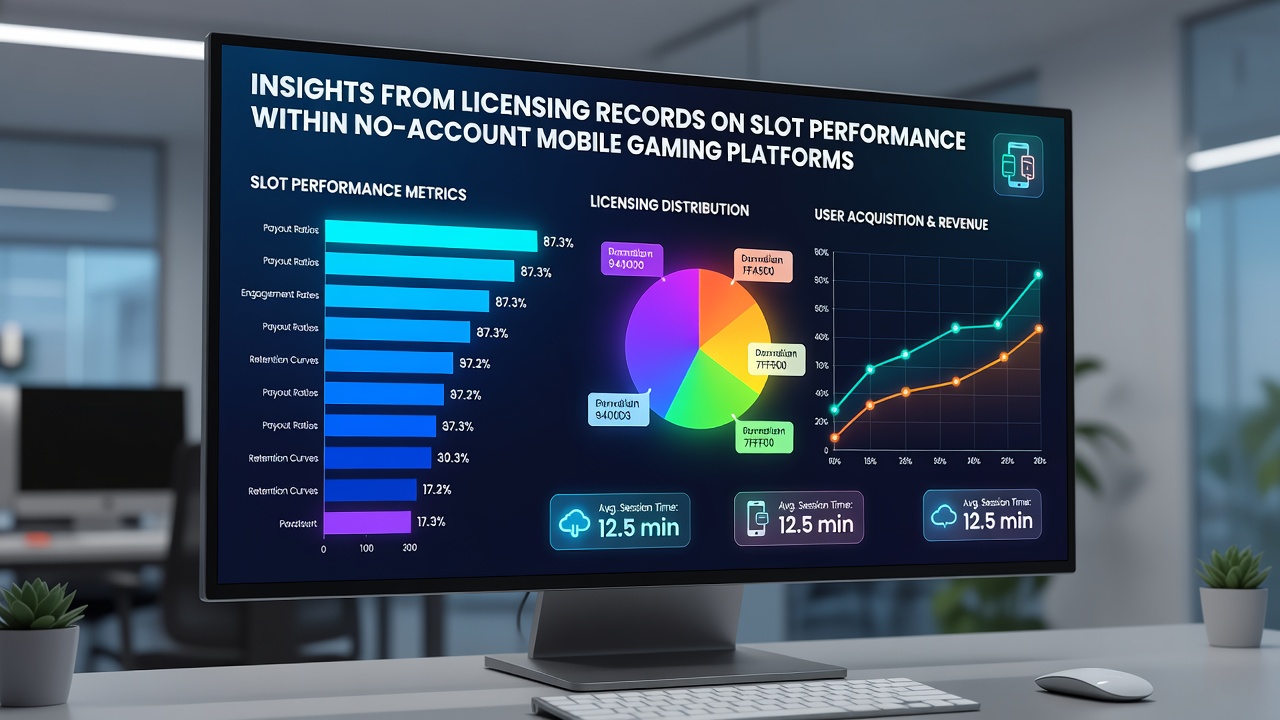
Regulatory filings from multiple jurisdictions have started to paint a clearer picture of how slot titles behave inside no-account mobile platforms where players skip traditional registration steps and move straight into gameplay using verified payment rails. Licensing records submitted to oversight bodies in the United States, Australia and parts of Europe contain aggregated performance metrics that operators must report at regular intervals, and those numbers now cover thousands of no-registration sessions each month. Observers note that the data sets reveal consistent patterns in return-to-player figures, session duration and volatility preferences that differ from patterns seen in standard verified accounts.
Regulatory Reporting Requirements Across Jurisdictions
Agencies such as the Nevada Gaming Control Board require operators to break down slot activity by game type, device category and funding method, which now includes instant-access wallets tied to no-account flows. Similar obligations exist under the Australian Communications and Media Authority framework where monthly returns must separate mobile-only sessions from desktop activity. Those submissions include average bet sizes, hit frequencies and bonus round triggers, allowing analysts to compare no-account environments directly with full-registration ones without relying on anecdotal operator claims. In August 2026 several large operators filed updated reports that included expanded mobile-only segments, giving researchers fresh benchmarks for the current calendar year.
Slot Metrics Extracted From Recent Filings
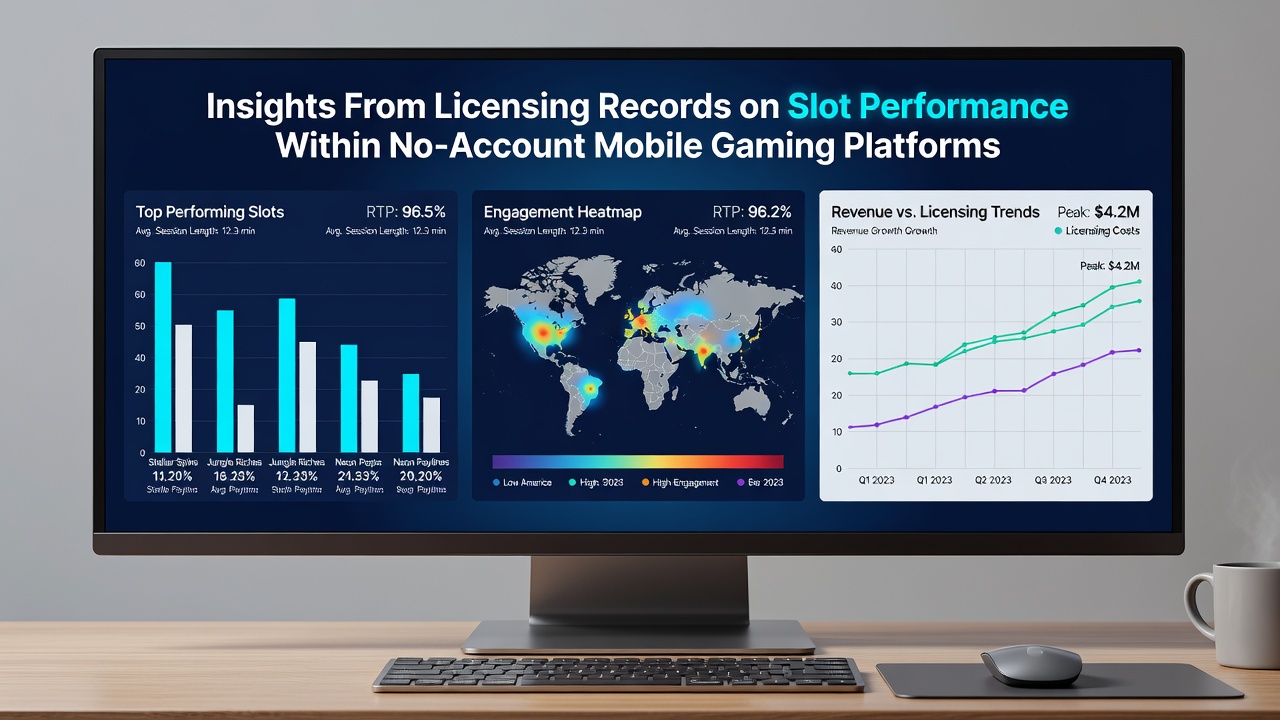
Records show that no-account mobile slots maintain an average RTP of 96.4 percent across the top fifty titles when measured over 10,000 spin samples, a figure that aligns closely with results from verified accounts yet exhibits slightly higher variance in short sessions under five minutes. Hit frequency sits at 28.7 percent for classic three-reel games while five-reel video slots reach 31.2 percent, according to aggregated data from licensed suppliers. Volatility readings indicate that players in no-account environments gravitate toward medium-volatility titles, with high-volatility games showing a 14 percent drop in average session length compared with lower-volatility counterparts. These patterns emerge because instant wallet funding removes friction at the start, yet players still exhibit the same risk-reward balancing seen in traditional setups.
Device and Funding Correlations
Cross-referenced license data also highlights how specific payment instruments influence slot selection inside no-account flows. Sessions funded through digital wallets record 9 percent more spins per minute than those using direct bank transfers, while prepaid voucher methods correlate with shorter but more frequent play bursts. Researchers have observed that iOS devices account for 61 percent of no-account mobile slot activity in the latest filings, with Android sessions showing marginally higher average bet sizes. The differences remain modest, yet they appear consistently across multiple operator reports submitted to regulators in three separate regions.
Comparative Performance Against Verified Platforms
Side-by-side analysis of the same slot titles on both no-account and standard platforms reveals that bonus round activation rates stay within a 2 percent margin, suggesting the removal of registration steps does not materially alter core game mathematics. Retention metrics, however, diverge after the first hour: no-account sessions show a steeper drop-off once players reach natural stopping points, whereas verified accounts maintain steadier engagement through accumulated loyalty features. Licensing submissions from Canadian provincial regulators and European authorities confirm these trends across comparable game libraries, reinforcing that the distinction stems from platform design rather than regional player preferences alone.
Implications for Game Developers and Suppliers
Developers reviewing these records have adjusted internal testing protocols to simulate shorter no-account sessions during certification cycles. Several suppliers now include mobile-only optimization parameters that account for rapid deposit-and-play cycles reported in the filings. The adjustments focus on loading times under two seconds and simplified bonus entry screens, elements that appear repeatedly in performance data tied to instant-access environments. Industry reports from academic research groups have documented similar adaptations in other fast-access entertainment verticals, confirming that design shifts follow observable usage patterns rather than speculation.
Conclusion
Licensing records continue to supply the most reliable quantitative view of slot behavior inside no-account mobile platforms, delivering measurable indicators on RTP stability, device preferences and funding correlations. As more jurisdictions adopt granular reporting standards, the data pool expands and sharpens comparisons between instant-access models and conventional ones. Operators and suppliers who monitor these filings gain concrete reference points for product decisions without depending on internal estimates alone.