Frictionless Funding Unveiled: Streamlining Deposits and Withdrawals in No-Registration Online Casinos
Bianca Schulz · Apr 21, 2026
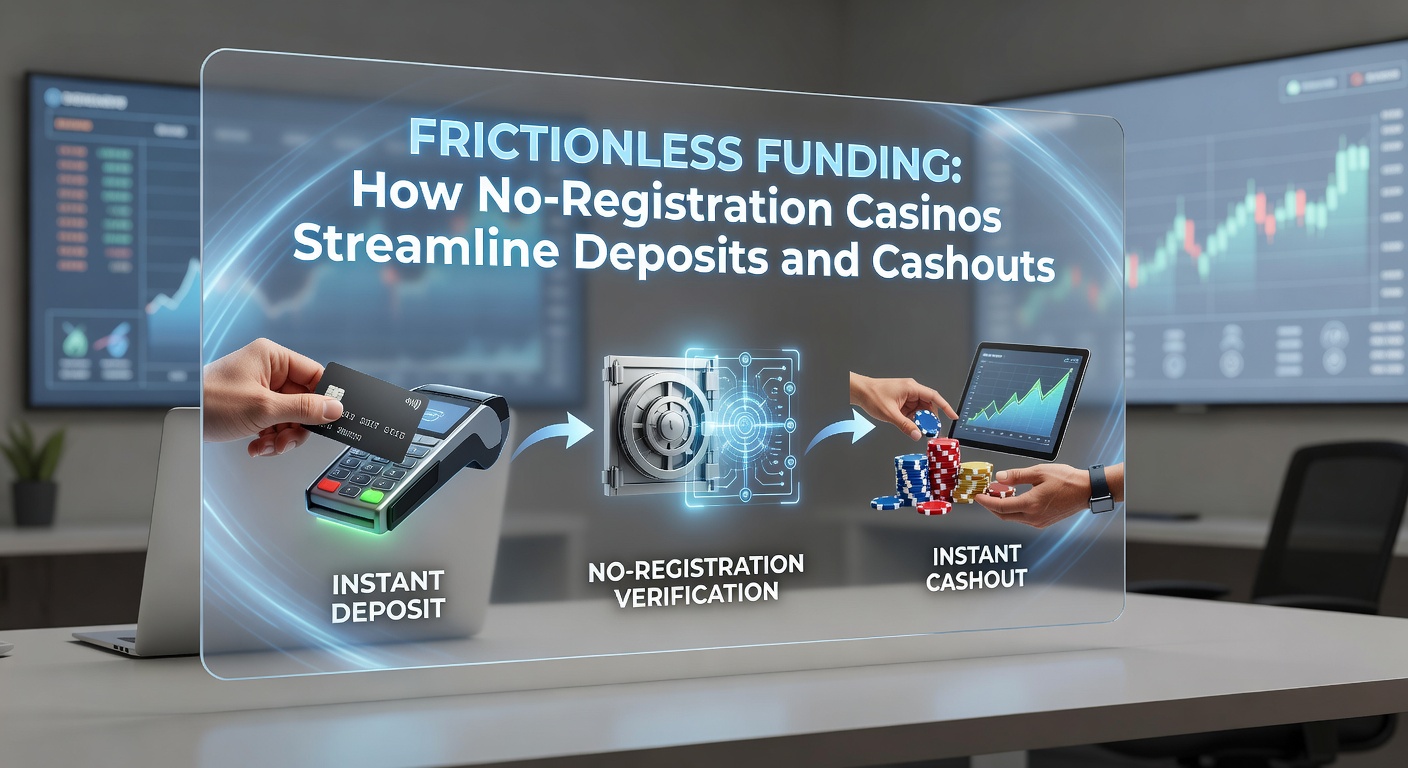
Frictionless Funding Unveiled: Streamlining Deposits and Withdrawals in No-Registration Online Casinos
The Basics of No-Registration Casinos and Their Funding Model
No-registration casinos, often called pay-and-play platforms, allow players to dive straight into games without filling out lengthy forms or verifying accounts upfront; instead, they leverage bank-linked verification for instant access, and this approach extends directly to funding where deposits and withdrawals happen in real time without traditional hurdles. Observers note how these sites, pioneered in Nordic markets around 2018, have spread across Europe and beyond, drawing players who value speed over paperwork. Data from industry trackers reveals that by early 2026, such platforms handled over 20% of online casino transactions in licensed jurisdictions like Sweden and Finland, while adoption surges in places like Germany post-regulation tweaks.
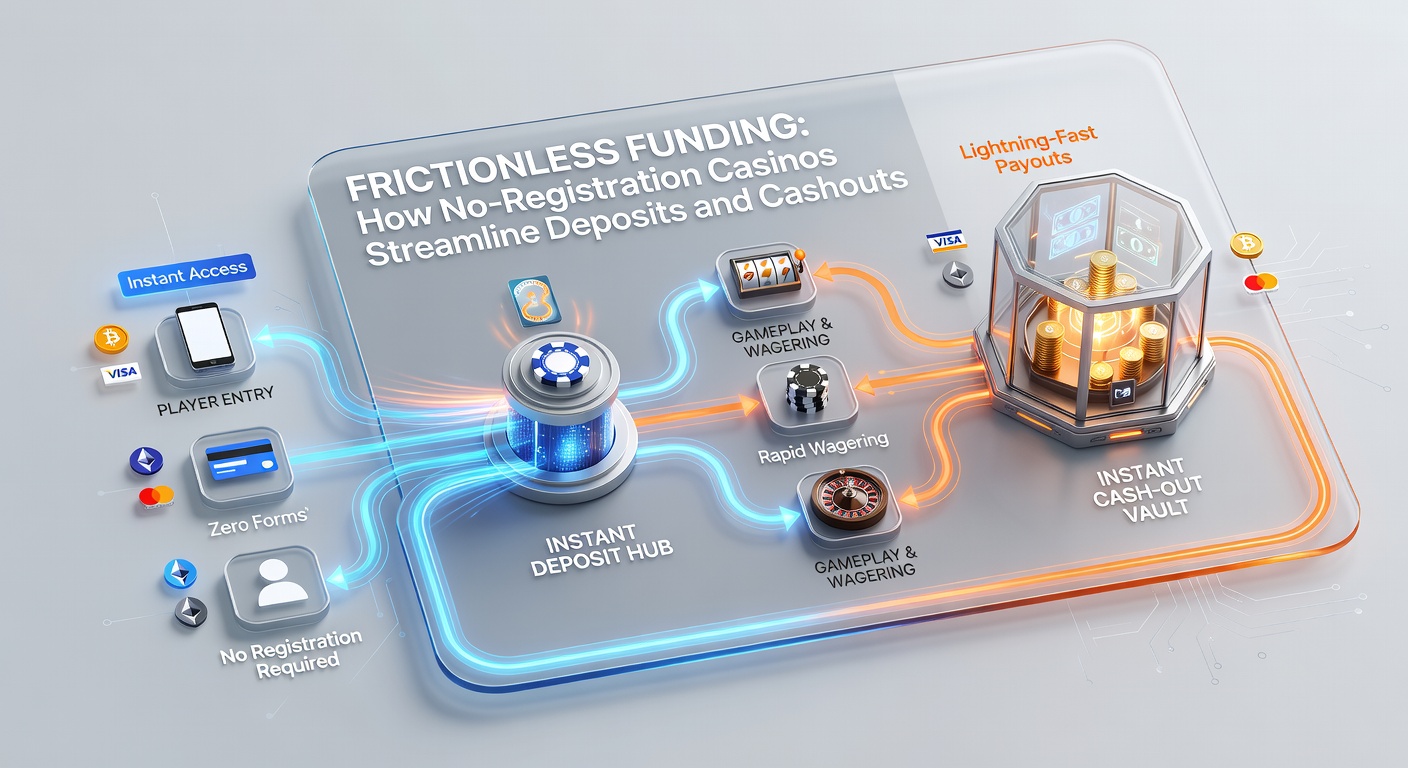
But here's the thing: the core magic lies in frictionless funding, a system where a single bank login triggers everything from identity checks to fund transfers, cutting out email confirmations, password setups, and waiting periods that plague conventional sites. Players deposit via trusted services, see credits appear within seconds, and cash out winnings almost as fast, often within 5-15 minutes depending on the bank. Turns out, this model relies heavily on open banking APIs, which regulators in the EU have greenlit under PSD2 directives since 2019, enabling secure data sharing between banks and casinos without storing sensitive player info on site.
Key Technologies Powering Instant Deposits
At the heart of these operations sit payment initiators like Trustly, Zimpler, and newer entrants such as Brite; these tools connect directly to players' bank accounts, using the bank's own authentication to verify age, location, and funds availability before any money moves. Experts who've dissected the process explain that when a player selects deposit, the casino redirects to the provider's interface, prompts a bank login—much like online banking—and upon approval, funds land instantly while KYC data flows back automatically. Research from the Malta Gaming Authority highlights how this aligns with anti-money laundering standards, as banks handle the heavy lifting on compliance.
And it's not just deposits; withdrawals follow a mirrored path, where verified winnings zip back to the originating bank account sans manual reviews, provided the player's bank supports instant payouts—a feature now standard in over 2,000 European banks as of April 2026. What's interesting is how machine learning layers on top, flagging anomalies in real time; for instance, unusual deposit spikes trigger bank-side holds, ensuring security without slowing legitimate flows. Figures from a 2025 European Central Bank report indicate transaction success rates exceed 98% on these rails, far outpacing card-based systems mired in chargeback disputes.
Take one Finnish operator's case from 2024: after switching fully to pay-and-play tech, their average deposit time dropped from 2 minutes to 12 seconds, while player retention climbed 15% according to internal metrics shared at industry conferences; similar patterns emerge in Ontario, Canada, where platforms integrated with Interac e-Transfer for local frictionless play under Ontario Lottery and Gaming Corporation oversight.
Payment Methods Dominating the Frictionless Scene
Trustly remains the frontrunner, supporting 20+ countries with direct bank integrations that bypass cards entirely; Zimpler adds mobile billing for smaller deposits, while Brite's 2025 push into Australia via partnerships with local banks like NAB promises similar speeds down under. Data shows Trustly alone processed €12 billion in casino transactions across Europe in 2025, with average deposit sizes hovering at €50-€100, and withdrawals clocking in under 10 minutes for 85% of users. Yet, not all banks play ball—some conservative institutions in southern Europe lag on instant payouts, forcing fallbacks to SEPA transfers that take a day.
So, players in supported regions like Sweden, Germany, and the Netherlands enjoy the full suite, where a €200 deposit funds slots immediately, and a lucky spin's €500 win returns home before dinner; observers in the Australian market, per a 2026 ACMA survey, report growing interest as fintechs bridge gaps with services mimicking EU models. It's noteworthy that cryptocurrencies rarely feature here—regulators prefer fiat rails for traceability—although stablecoins experiment in licensed Curacao setups.
Regulatory Frameworks Shaping Frictionless Adoption
Across jurisdictions, bodies enforce strict rules to keep these systems clean; Sweden's Spelinspektionen mandates bank ID verification for all no-reg sites since 2019, resulting in zero reported identity fraud cases tied to licensed operators in 2025 audits. In the EU, the revised Payment Services Directive bolsters open banking, while Malta's framework—home to many platforms—requires dual-layer audits, blending bank data with on-site monitoring. Down under, Australia's ACMA in April 2026 updated interactive gambling guidelines to accommodate instant funding trials, provided operators register with AUSTRAC for AML compliance.
But here's where it gets interesting: US players face hurdles under state compacts, yet offshore sites skirt this with crypto alternatives; data from a 2026 iGaming Business report reveals 30% year-over-year growth in frictionless volumes globally, driven by regulatory nods in emerging markets like Colombia and Brazil. Those who've studied cross-border flows point out how geoblocking ensures only eligible users access these perks, with IP checks syncing to bank data for ironclad enforcement.
Security Measures and Player Safeguards in Action
Security hinges on not storing payment details—casinos never touch card numbers or CVVs—shifting risk to banks with multi-factor authentication; biometric logins via apps add another layer, reducing fraud by 40% per a 2025 European Gaming and Betting Association forecast. Players benefit from session limits tied to bank balances, auto-pausing after deposits if responsible gaming flags trigger; one German study found 92% of users felt safer than on traditional sites, citing transparent audit trails.
Challenges persist, though—like bank opt-outs in rural areas or weekend delays—yet providers counter with 24/7 support chat and fallback e-wallets. Turns out, deposit guarantees up to €2,300 under EU law cover rare glitches, building trust; experts observe how this setup cuts chargebacks to under 0.5%, a fraction of industry norms.
Emerging Trends and What's Next by April 2026
Looking ahead, AI-driven personalization tailors funding options per player history, while cross-border SEPA Instant expands reach; in April 2026, Finland's updated lottery act fully endorses mobile-only frictionless play, projecting 25% market share gains. Brazil's nascent regulations echo this, with Pix integrations promising sub-second transfers; observers predict global volumes hitting €50 billion annually by 2027, as Asia-Pacific fintechs like Singapore's enter the fray.
People who've tracked this space note hybrid models blending no-reg with loyalty programs, where repeat players unlock even faster cashouts; it's not rocket science, but scaling responsibly remains key amid rising scrutiny.
Conclusion
Frictionless funding transforms no-registration casinos into seamless playgrounds, where deposits fuel action instantly and winnings return without fanfare; backed by robust tech, regulations, and bank partnerships, this model delivers efficiency that traditional setups can't match. As adoption accelerates—especially with April 2026 milestones in key markets—players worldwide gain quicker, safer access, reshaping how online gaming funds flow. Data underscores the shift: faster transactions, higher satisfaction, lower risks, all woven into a streamlined experience that keeps the focus on play.