Exploring Links Between Payment Methods and Live Dealer Selections in Mobile Instant Play Platforms
Freya Braun · Jul 14, 2026

Exploring Links Between Payment Methods and Live Dealer Selections in Mobile Instant Play Platforms
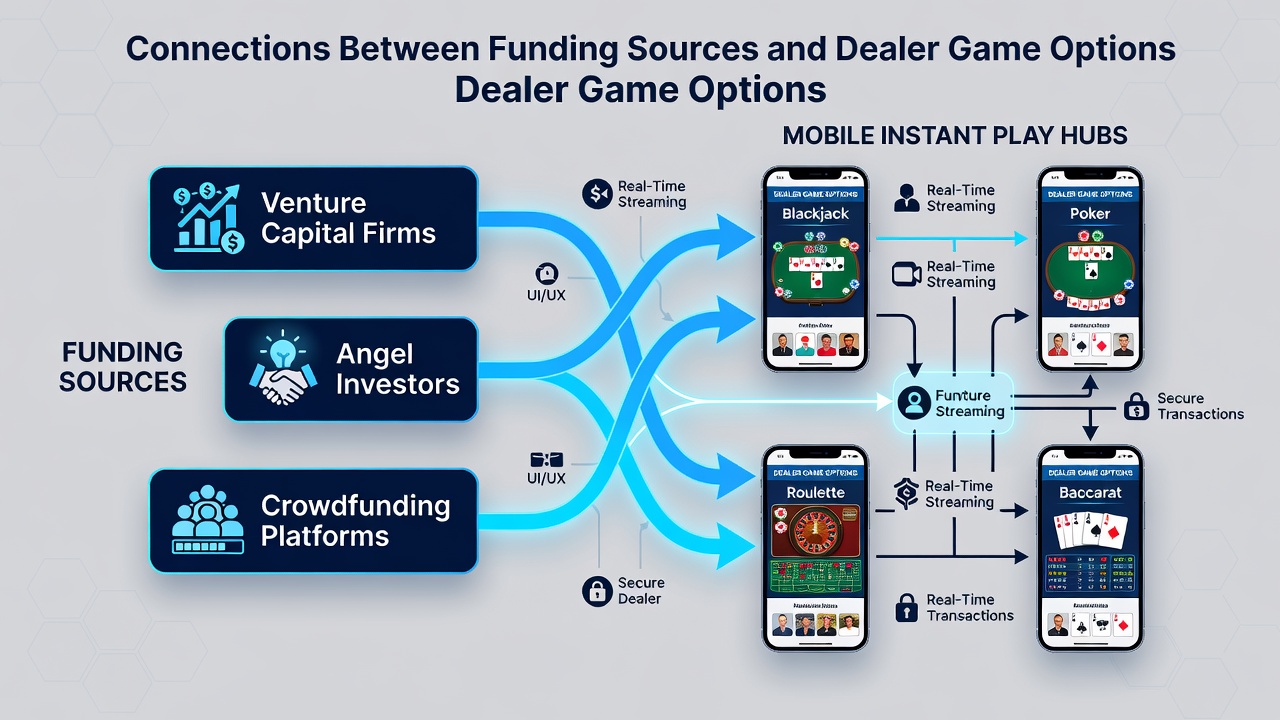
Observers note that funding sources often shape the range of live dealer games available in mobile instant play hubs, where users access blackjack, roulette, and baccarat without traditional registration steps, and data from industry reports indicates these connections influence both accessibility and variety across different platforms.
Payment Methods and Their Role in Game Availability
Researchers have documented how specific funding channels connect directly to the dealer options users encounter in these environments, since e-wallets and prepaid cards frequently enable quicker entry to premium live tables while bank transfers sometimes limit selections to standard formats, and studies from the European Gaming and Betting Association reveal that platforms adjust game libraries based on the transaction speed and verification levels tied to each method.
Those who've examined transaction data find that cryptocurrency deposits correlate with broader access to high-stakes dealer games in instant hubs, whereas traditional card payments tend to route players toward lower-limit options in many cases, and this pattern holds across multiple regions where regulatory frameworks require clear links between payment verification and game eligibility.
Regional Trends Shaping These Connections
In North America, data from the Nevada Gaming Control Board shows that funding sources like digital wallets expand dealer game libraries in mobile instant play setups, particularly as operators align payment processing with state licensing rules that govern live content, while similar patterns emerge in Australian markets where figures from government oversight bodies link faster funding methods to increased availability of roulette and poker variants.
But here's the thing: mobile instant play hubs often prioritize funding options that minimize delays, which in turn unlocks specialized dealer environments such as multi-camera blackjack streams or interactive baccarat sessions, and analysts point out that this dynamic becomes especially clear during peak periods when user volumes rise.
Technical and Regulatory Influences in Mid-2026
By July 2026, updates in mobile platform architecture have tightened the relationship between funding verification and dealer game access, since instant hubs now integrate real-time payment checks that determine which live tables appear for each user, and reports indicate this approach stems from compliance requirements that tie transaction security directly to content offerings.
One study revealed that platforms using certain e-wallet providers experienced a measurable increase in live dealer options compared to those relying solely on card-based funding, because the former methods support seamless verification that satisfies regulatory benchmarks in multiple jurisdictions, and this has led operators to expand their dealer selections accordingly.
Case Examples from Platform Operations
There's this case where experts tracked how users funding accounts through prepaid systems gained entry to exclusive dealer tournaments in instant play environments, whereas those using slower bank routes encountered restricted selections until verification cleared, and industry data confirms these differences arise from automated systems that match payment profiles to game permissions.
What's interesting is that academic research into mobile gaming ecosystems has identified correlations between funding diversity and the depth of live dealer catalogs, with platforms offering multiple payment types consistently providing more roulette variants and blackjack side bets than those with limited options, and this holds true even as operators navigate evolving security standards.
Future Patterns in Funding and Dealer Integration
Those monitoring developments expect continued alignment between payment innovations and dealer game expansions in instant mobile hubs, since emerging wallet technologies often come bundled with access protocols that prioritize certain live formats, and evidence from cross-regional comparisons suggests this trend will influence how operators structure their offerings moving forward.
Conclusion
Overall, the connections between funding sources and dealer game options in mobile instant play hubs rest on verifiable patterns of transaction speed, verification levels, and regulatory alignment that shape user experiences across platforms, and ongoing data collection from various oversight bodies continues to map these relationships as teh sector evolves.