Digital Currency Pathways Linking Promotional Structures to Licensed Smartphone Entertainment Options
Jordan Roth · Jul 21, 2026
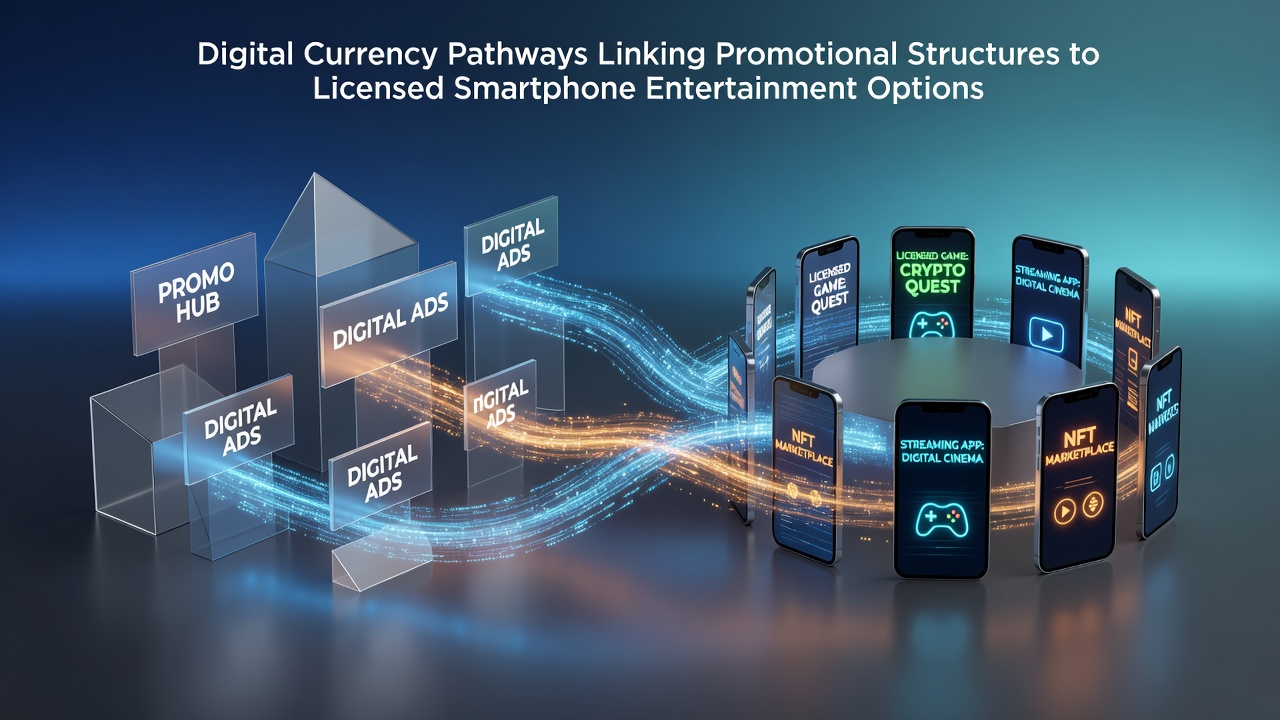
Digital Currency Pathways Linking Promotional Structures to Licensed Smartphone Entertainment Options
Digital currencies have carved distinct routes through licensed smartphone entertainment ecosystems, connecting promotional frameworks directly to user accounts on verified platforms, and observers note that transaction ledgers now track bonus allocations from initial deposit stages through gameplay rewards across multiple jurisdictions. Regulatory updates in July 2026 introduced standardized reporting requirements for crypto flows in mobile applications, which prompted operators in several regions to refine their integration protocols while maintaining compliance with existing licensing frameworks.
Pathway Mechanics in Licensed Environments
Blockchain protocols establish direct channels between promotional credit systems and licensed mobile applications, allowing operators to distribute incentives through wallet addresses that interface with approved entertainment libraries, whereas traditional payment rails often require multiple verification layers before bonuses activate. Data from industry analyses shows that these pathways reduce settlement times from days to minutes in many cases, and licensed platforms in North America have adopted specific stablecoin variants to align with state-level oversight structures. Researchers at institutions tracking gaming technology have documented how smart contracts automate the release of promotional tiers once users meet predefined activity thresholds on their devices.
Regional Variations in Currency Integration
European operators under the Malta Gaming Authority framework utilize multi-signature wallet setups to link promotional pools with smartphone-based slot and table options, while Australian regulatory bodies require real-time auditing of all digital asset movements tied to bonus structures. In Canada, provincial licensing bodies have examined how cryptocurrency gateways connect player accounts to entertainment content without introducing unregistered intermediaries. These differences create varied pathway architectures that operators must navigate when expanding across borders.
Studies from the University of Nevada, Las Vegas gaming research division reveal that licensed platforms employing digital currency pathways report higher retention rates when promotional credits flow seamlessly into mobile sessions, and the same reports indicate that transaction transparency features help maintain audit trails required by oversight agencies. Operators have implemented API connections that synchronize promotional ledgers with user entertainment preferences, allowing automatic allocation of rewards based on engagement patterns recorded on smartphones.
Promotional Structures and Mobile Linkages
Promotional architectures rely on digital currency nodes to bridge initial user onboarding with ongoing entertainment access, and case examples from licensed operators demonstrate how deposit-matched incentives convert into playable balances within seconds of blockchain confirmation. Industry organizations such as the European Gaming and Betting Association have compiled data showing that these linkages support compliance reporting while enabling features like loyalty point conversions into cryptocurrency rewards. The pathways also facilitate cross-promotion between different licensed titles on the same mobile application, routing bonus values through secure channels that preserve user anonymity within regulatory limits.

Security protocols embedded in these pathways encrypt promotional data at multiple points along the transaction route, protecting both operators and users from unauthorized access while satisfying licensing conditions that mandate verifiable audit logs. Observers have noted that platforms adopting such systems in 2026 experienced streamlined reconciliation processes during quarterly regulatory reviews.
Technical Components Supporting the Connections
Wallet APIs serve as primary junctions where promotional credit pools interface with smartphone entertainment options, and distributed ledger technology records each transfer in immutable sequences that regulators can access upon request. Licensed operators deploy automated compliance modules that flag unusual patterns in currency flows linked to bonuses, ensuring that promotional activities remain within approved parameters across different entertainment categories. Research papers from academic centers focusing on financial technology applications in gaming have examined how these components interact to maintain both speed and regulatory adherence.
Payment gateway providers have developed specialized modules that translate between various digital currencies and the backend systems of licensed mobile platforms, creating flexible pathways that accommodate fluctuating exchange rates without disrupting promotional credit delivery. Those who have examined transaction volumes report that stablecoin usage has grown notably in this sector because it minimizes volatility impacts on bonus valuations.
Conclusion
Digital currency pathways continue to evolve as connectors between promotional structures and licensed smartphone entertainment options, with regulatory developments in July 2026 accelerating standardization efforts across multiple markets. The documented integration methods, regional adaptations, and technical safeguards collectively illustrate how these systems function within established licensing boundaries while supporting efficient reward distribution. Data compiled by academic and industry sources underscores the ongoing refinement of these linkages as operators adapt to new compliance expectations.