Connecting Slot Selection Patterns with Licensing Structures in Instant Mobile Gaming Systems
Bianca Schulz · Aug 25, 2026
Connecting Slot Selection Patterns with Licensing Structures in Instant Mobile Gaming Systems
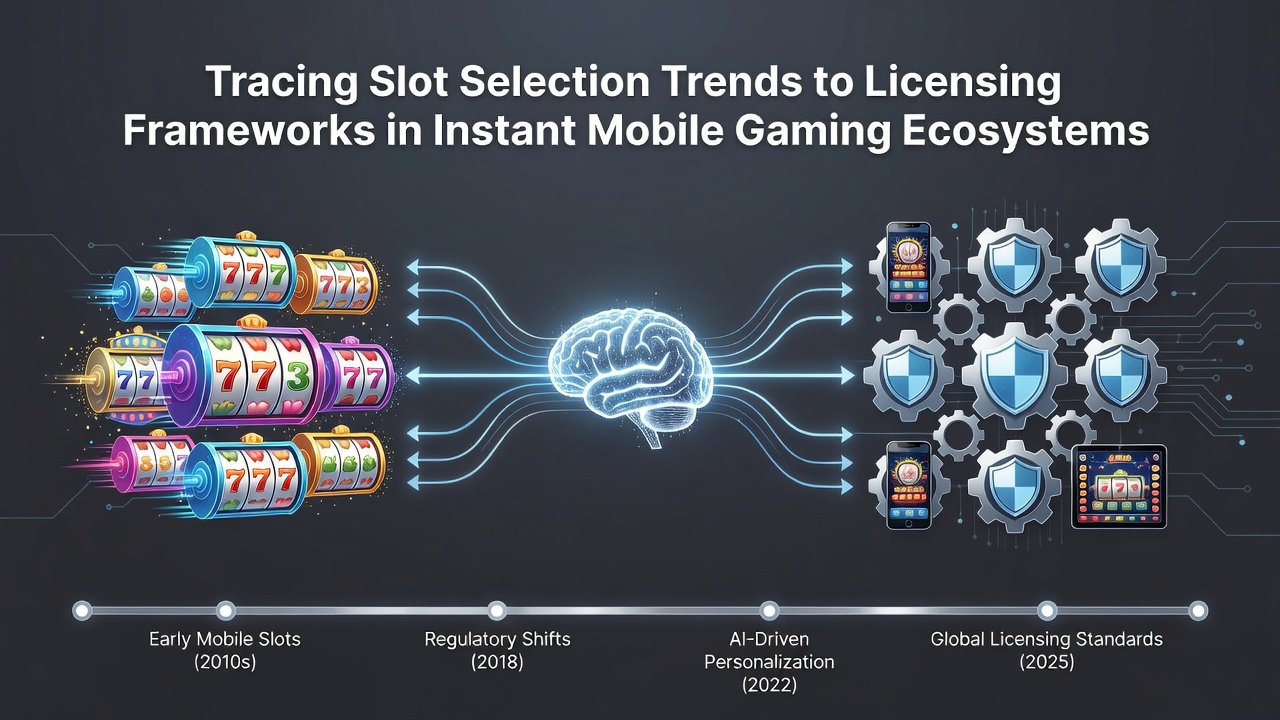
Slot selection patterns in instant mobile gaming ecosystems reflect direct connections to licensing frameworks that set boundaries on game libraries, payout structures, and provider approvals across different jurisdictions, and researchers tracking these systems note how regulatory approvals shape which titles reach players on smartphones and tablets in real time. Licensing bodies establish criteria that operators must meet before offering certain slots, which in turn influences availability trends such as the rise of progressive jackpot games in markets with streamlined certification processes or the preference for branded content where authorities require additional compliance checks.
Regulatory Foundations Shaping Game Availability
Licensing frameworks operate through detailed approval mechanisms that evaluate game mechanics, random number generators, and return-to-player percentages before any slot enters an instant mobile platform, and data from the New Jersey Division of Gaming Enforcement shows that certified titles experience faster integration into live ecosystems compared to those awaiting review. These structures create measurable differences in selection trends because operators prioritize games that already carry approvals from recognized authorities, leading to concentrated libraries in regions with harmonized standards while diverse offerings emerge where multiple licenses overlap.
Regional Variations in Framework Application
European markets demonstrate how Malta Gaming Authority certifications accelerate the rollout of high-volatility slots on mobile interfaces, whereas North American state-level requirements often extend timelines for the same titles and produce narrower selection pools in instant play environments. Observers tracking August 2026 updates note that several Canadian provinces introduced synchronized licensing portals that reduced approval cycles for mobile-optimized slots, resulting in broader access to Megaways mechanics and cluster-pay formats previously limited by fragmented rules.
Industry reports indicate that licensing timelines directly correlate with the speed at which new slot mechanics appear in instant ecosystems, and companies operating across borders adjust their portfolios accordingly to maintain compliance while responding to player preferences recorded in transaction data.
Trends in Slot Mechanics and Provider Strategies
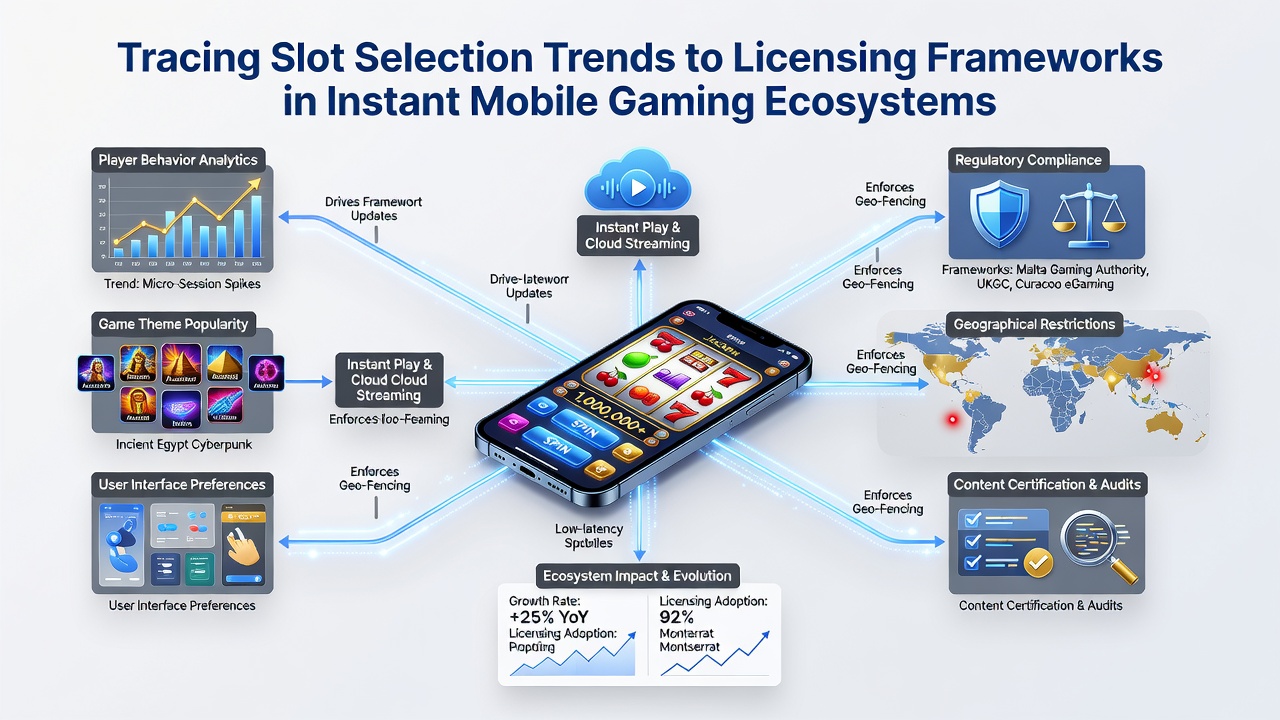
Instant mobile gaming has seen increased deployment of games with adaptive bonus rounds and mobile-specific interfaces because licensing bodies in multiple regions now include specific technical audits for touch-screen compatibility and session-length controls. Providers respond by developing titles that satisfy these criteria early in the design phase, which creates observable patterns where certain volatility levels dominate approved catalogs while others remain scarce until frameworks evolve.
Those who monitor provider submissions find that games incorporating blockchain elements for verifiable fairness often secure approvals more readily in jurisdictions emphasizing transparency, and this dynamic pushes selection trends toward titles featuring transparent random processes rather than traditional hidden algorithms.
Impact on Ecosystem Operations and Player Access
Operators in instant mobile environments use licensing status as a primary filter when curating slot libraries, which produces ecosystems where approved games cycle through promotions and featured placements more frequently than pending ones. This filtering process affects visibility trends, with certain mechanics gaining traction only after multiple authorities grant clearance and the resulting data feeds back into future development decisions.
Figures from the Australian Communications and Media Authority reveal steady growth in licensed mobile slot offerings during periods of regulatory alignment, and similar patterns appear in South African market analyses where updated frameworks opened pathways for previously restricted content categories. These shifts demonstrate how licensing changes propagate through selection trends without requiring direct intervention in game design.
Future Developments in Licensing Alignment
Discussions among gaming associations point toward greater interoperability between licensing systems that could standardize slot approval criteria across borders, and preliminary steps taken in 2026 suggest reduced duplication for operators seeking simultaneous clearances. Such alignment would likely expand the range of available titles in instant mobile platforms while maintaining existing consumer protection measures embedded in current frameworks.
Conclusion
The relationship between slot selection trends and licensing frameworks continues to define the structure of instant mobile gaming ecosystems through approval processes, technical requirements, and regional variations that determine which games reach players. Data gathered across multiple authorities confirms that these connections produce predictable patterns in content availability and mechanic adoption, and ongoing adjustments to licensing procedures will shape future library compositions as platforms adapt to unified or divergent standards.