Blockchain Networks Enabling Swift Mobile Gaming Connections to Unverified Live Platforms
Bianca Schulz · Jun 2, 2026
Blockchain Networks Enabling Swift Mobile Gaming Connections to Unverified Live Platforms
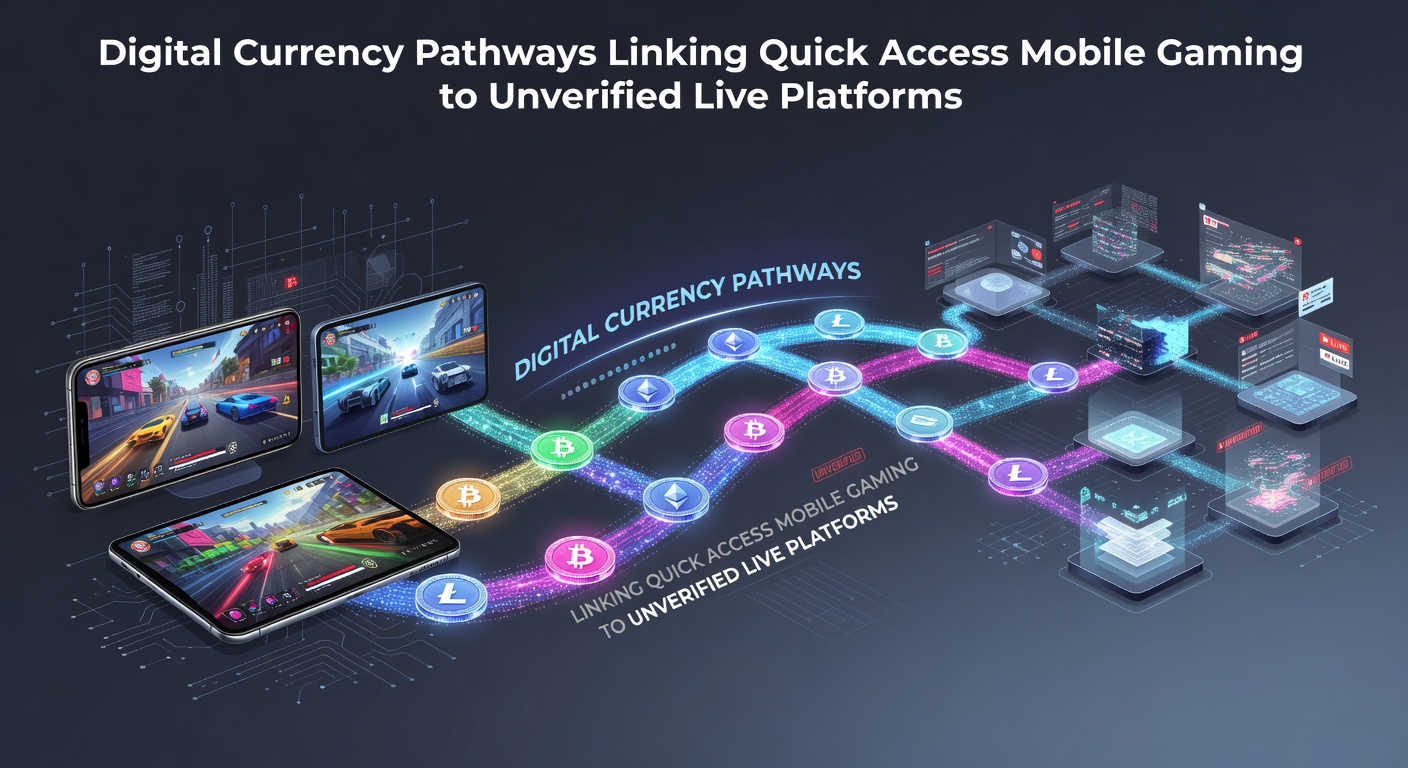
Digital currencies have created direct pathways that link quick-access mobile gaming applications with live dealer platforms operating outside standard verification frameworks, and these connections rely on blockchain protocols that process transactions in seconds rather than hours. Mobile users initiate deposits through cryptocurrency wallets embedded in gaming apps, which then route funds to servers hosted by unverified sites offering real-time table games and slot environments. Data from transaction monitoring services shows that crypto transfers bypass traditional banking delays, allowing immediate access to live streams and interactive dealer sessions without account registration steps.
Payment rails built on networks such as Bitcoin, Ethereum, and newer layer-two solutions support micro-transactions that match the fast pace of mobile play, while smart contracts automate fund movement between player wallets and platform addresses. Observers note that this structure reduces friction for users who prefer anonymous entry points, yet it also creates traceability challenges for authorities tracking fund origins across borders. In June 2026 several new blockchain analytics tools reached wider adoption among compliance teams, revealing clusters of addresses tied to mobile gaming apps that consistently route traffic toward unregulated live environments.
Transaction Speed and Mobile Accessibility Factors
Speed remains the primary driver behind crypto adoption in this segment, since confirmation times on major networks now average under thirty seconds for standard transfers, enabling players to move from deposit confirmation to live dealer tables without interruption. Mobile applications optimized for these rails embed QR code scanners and wallet connect features that complete funding in two or three taps, a process that stands in contrast to slower card or e-wallet methods still common on verified sites. Researchers tracking usage patterns report that sessions initiated through crypto pathways last longer on average, partly because players avoid repeated verification prompts that appear on regulated platforms.
Unverified live platforms benefit from this speed because they accept direct wallet-to-wallet transfers that carry lower processing fees than those charged by traditional payment processors. The absence of chargeback mechanisms on most blockchain networks further appeals to operators who face fewer disputes once funds clear. Figures from industry analytics firms indicate that crypto-funded mobile sessions to unverified sites increased steadily through the first half of 2026, coinciding with broader smartphone penetration in emerging markets where banking infrastructure lags.
Regulatory Landscape and Geographic Variations
Regulatory responses differ sharply by region, with some jurisdictions tightening rules on crypto gambling while others maintain lighter oversight that allows pathways to persist. According to reports published by AUSTRAC, Australian authorities have documented multiple instances where mobile gaming apps using cryptocurrency funneled players toward offshore live dealer streams lacking local licensing. European bodies have issued guidance requiring operators to implement travel-rule compliance on crypto transfers above certain thresholds, yet enforcement remains uneven across member states.
North American regulators have focused on specific wallet clustering techniques that identify repeated patterns linking mobile apps to unverified addresses. In contrast, several Asian markets continue to see growth in these pathways because local rules prioritize speed of innovation over immediate licensing requirements. Those who've studied cross-border data flows note that stablecoin usage has risen in these corridors, offering price stability that encourages higher volume play on live platforms.

Security Considerations and Data Patterns
Security researchers have identified recurring address patterns that connect mobile gaming wallets directly to servers hosting unverified live streams, often through intermediary mixers or privacy coins that obscure origin points. These patterns become visible when analysts apply graph-based tools to public ledgers, revealing chains of transactions completed within narrow time windows. Platforms operating without verification sometimes advertise instant cashouts via the same crypto rails, which sustains user retention but also raises questions about source-of-funds checks.
One study released by a European research consortium in early 2026 examined transaction graphs and found that roughly one in five mobile crypto deposits to live environments originated from apps marketed as casual gaming tools. The same analysis highlighted how stablecoins reduce volatility risk for players while simultaneously complicating regulatory efforts to freeze illicit flows. Observers note that operators of unverified sites frequently rotate wallet addresses to evade blacklisting, a tactic that becomes less effective as blockchain analytics mature.
Future Developments Expected Through 2026
Developers continue to release mobile-first protocols that integrate non-custodial wallets with live streaming APIs, further tightening the connection between quick-access gaming and unverified platforms. Several projects announced in June 2026 aim to embed compliance layers directly into smart contracts, potentially allowing selective verification without slowing transaction speeds. Industry groups such as the European Gaming and Betting Association have begun discussing standardized APIs that could bridge regulated and unregulated segments while maintaining user privacy.
Market data indicates continued growth in crypto volume routed through mobile channels, although exact figures vary depending on whether analysts include mixer activity. Those tracking adoption trends expect stablecoin dominance to increase as platforms seek to minimize price swings during live sessions. Regulatory technology firms are releasing updated dashboards that flag suspicious clusters in real time, giving authorities better visibility into pathways that once operated with little oversight.
Conclusion
Blockchain-based payment systems have established persistent routes that join rapid mobile gaming experiences with live dealer platforms operating outside conventional verification structures. Transaction speed, lower fees, and reduced registration requirements drive user preference for these pathways, while regulatory responses continue to evolve at different rates across regions. As analytics tools advance and new protocols emerge, the visibility of these connections will likely improve, allowing both operators and authorities to refine their approaches based on documented patterns rather than assumptions.