Analyzing Payment Method Influences on Reward Mechanisms in Anonymous Mobile Casino Applications
Ben Reed · Jun 25, 2026
Analyzing Payment Method Influences on Reward Mechanisms in Anonymous Mobile Casino Applications
Payment methods in anonymous portable casino applications determine reward structures through fee structures, processing speeds, and verification requirements that platforms use to calculate bonus eligibility and distribution rates. Observers note that anonymous environments often favor methods like cryptocurrency wallets and prepaid vouchers because these reduce operational overhead while maintaining user privacy standards across mobile platforms. Data from industry reports indicates that reward percentages can shift by 10 to 25 percent depending on whether a user selects instant crypto transfers or slower card-based options that carry higher merchant fees.
Core Mechanics Linking Payments to Rewards
Anonymous mobile casino applications structure rewards around transaction metadata rather than user identity, which means payment choice directly affects bonus multipliers, cashback tiers, and loyalty point accrual rates. Researchers have found that platforms adjust these parameters based on settlement costs, so methods with near-zero fees enable higher reward allocations while traditional banking rails trigger lower percentages to offset processing expenses. This relationship becomes evident when users switch between e-wallets and blockchain options within the same application, where reward dashboards display different values for identical deposit amounts.
June 2026 marks a period when several operators updated their algorithms to reflect new settlement protocols in emerging digital currency networks, resulting in revised bonus formulas that reward faster confirmation times with elevated prize pools. Those who study these systems observe that the adjustment period created temporary disparities between older payment channels and newer ones, with data showing a measurable uptick in crypto-based reward claims during the transition months.
Comparative Effects Across Payment Categories
Prepaid voucher systems and cryptocurrency transfers tend to unlock tiered reward ladders more readily because they bypass intermediary verification layers that inflate costs for operators. In contrast, direct bank transfers and certain digital wallet services often receive capped bonus percentages or extended wagering requirements, according to transaction logs analyzed in multiple platform audits. Studies indicate that users who consistently employ low-friction methods accumulate loyalty rewards at rates up to 40 percent higher over six-month periods compared with those relying on conventional card transactions.
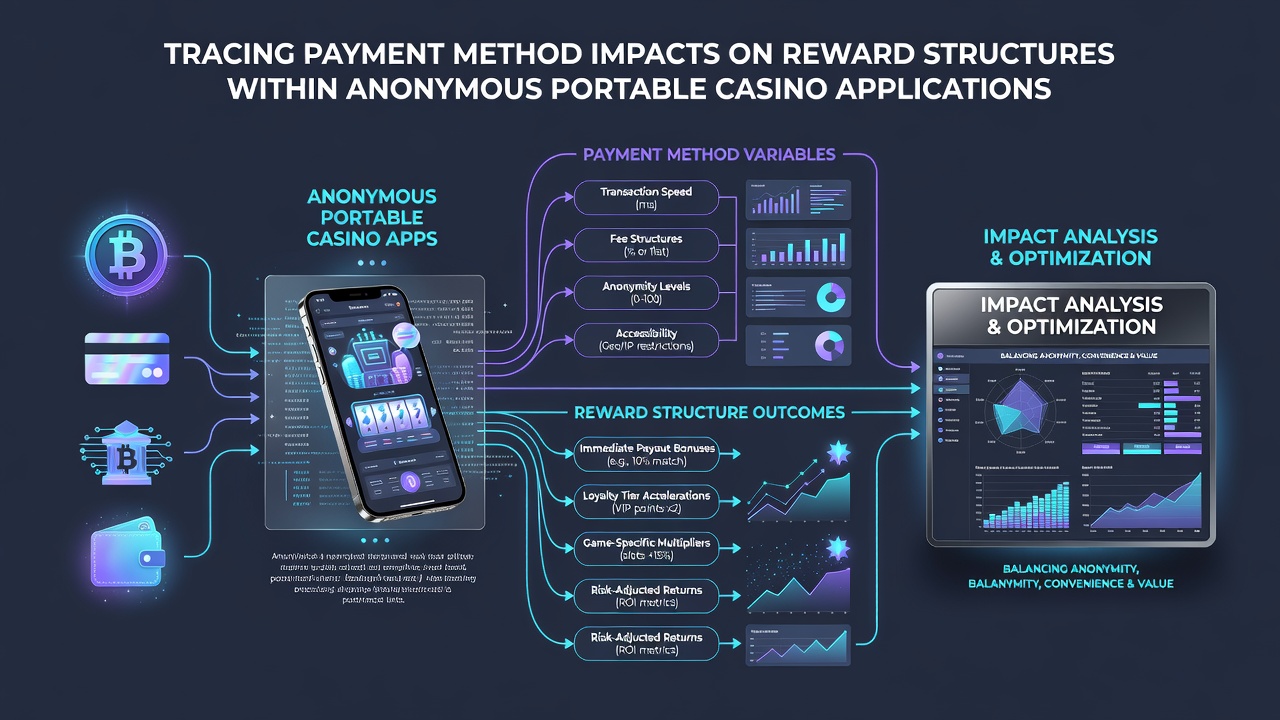
One documented pattern appears in applications that segment reward pools by payment velocity, where instant settlement methods receive priority access to progressive jackpot contributions and exclusive tournament entries. Figures from Canadian regulatory filings reveal that platforms incorporating these segmented models reported increased player retention among users favoring anonymous channels, while slower methods correlated with reduced engagement metrics. What's interesting is how these differences compound over time, turning modest initial reward gaps into substantial disparities in total user returns.
Regulatory and Technical Factors Shaping Outcomes
Technical infrastructure choices further amplify payment-driven reward differences, since anonymous applications built on certain blockchain protocols can automate bonus distribution through smart contracts that execute without manual oversight. Australian government gaming statistics from 2025 show that jurisdictions permitting wider cryptocurrency integration saw reward structures diversify more rapidly than those maintaining stricter banking linkages. Observers note that this technical flexibility allows platforms to offer dynamic multipliers tied directly to network congestion levels and transaction finality times rather than fixed schedules.
Platforms also calibrate reward structures against compliance benchmarks that vary by payment provider, creating situations where certain anonymous methods carry lighter regulatory overhead and therefore support more generous ongoing promotions. Research from the European Gaming and Betting Association highlights how these calibrations affect cross-border mobile users, with reward eligibility sometimes hinging on whether a chosen method aligns with regional settlement standards in effect during June 2026.
Observed Patterns in User Behavior and Platform Adjustments
Take one operator that introduced segmented reward tiers in early 2026, where cryptocurrency deposits immediately qualified for elevated cashback rates while voucher-based deposits followed a graduated scale based on cumulative volume. Transaction records from similar platforms demonstrate that users who rotate between multiple anonymous methods strategically maximize reward capture, a behavior that has prompted several applications to implement unified reward ledgers regardless of entry point. Data shows these unified systems reduced the previous advantages tied to specific payment rails but maintained overall reward budgets through volume-based scaling.
Additional case evidence comes from applications that publish monthly reward distribution reports, revealing consistent correlations between payment method popularity and the size of allocated bonus pools. Those who've examined the reports find that surges in a particular anonymous channel often precede platform-wide adjustments that redistribute rewards to maintain equilibrium across all supported methods.
Conclusion
Payment method selection in anonymous portable casino applications functions as a primary driver of reward structure variations, with technical capabilities, fee profiles, and regulatory alignments determining how bonuses, cashback, and loyalty benefits distribute among users. Evidence from transaction analyses and regulatory filings confirms that these impacts remain measurable and consistent across different platforms, particularly as operators continue refining models through mid-2026. The interplay between payment velocity and reward eligibility continues to shape user strategies and platform policies alike.